The Significance of Aluminum Spreading in High-Quality Manufacturing Techniques
Light weight aluminum casting has actually become a foundation in top notch production strategies. Its lightweight residential or commercial properties and extraordinary strength make it a favored option for numerous markets. Manufacturers gain from its layout adaptability and marginal waste generation. As the demand for advanced products expands, recognizing the nuances of aluminum spreading becomes important. This expedition reveals not only its benefits yet likewise the evolving innovations that form its future in production. What lies in advance for this innovative process?
The Advantages of Aluminum Spreading
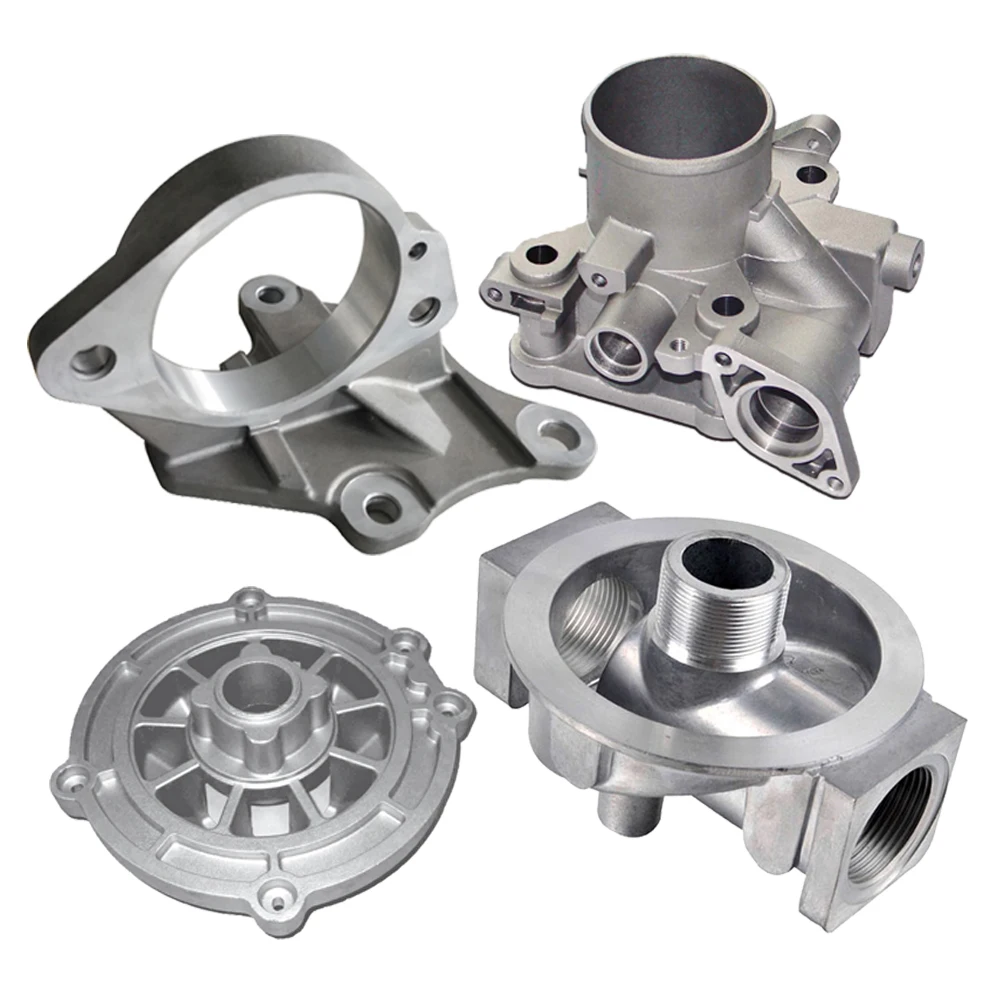
Different casting approaches exist, light weight aluminum casting stands out due to its numerous advantages. One of the main benefits is its light-weight nature, which substantially minimizes transportation prices and power consumption in applications. Aluminum additionally exhibits exceptional deterioration resistance, making it excellent for durable components in varied environments. The casting procedure enables for detailed styles, allowing makers to create complicated forms with high precision and very little waste. Additionally, light weight aluminum has premium thermal and electric conductivity, making it suitable for a range of industrial applications. The high strength-to-weight ratio enhances the architectural integrity of actors products, supplying longevity without the included mass. Aluminum casting can be adapted to different strategies, such as sand spreading or die spreading, which broadens its applicability throughout industries. On the whole, these advantages position light weight aluminum spreading as a favored selection in contemporary production, adding to effectiveness and sustainability.
Trick Applications of Light Weight Aluminum Spreading
Aluminum spreading discovers significant applications throughout numerous industries because of its useful properties. In the automotive field, it is commonly utilized for producing engine blocks, transmission situations, and wheels, promoting light-weight styles that enhance gas performance. The aerospace market additionally gains from light weight aluminum spreading, where elements such as braces and real estates are generated to meet rigorous weight and stamina needs.
Furthermore, the electric sector employs aluminum casting for producing housings and warmth sinks, which are crucial for reliable thermal monitoring in electronic gadgets. Precision aluminum casting. The construction sector makes use of aluminum castings for building components, home window frameworks, and components, adding to both appearances and toughness
Lastly, the durable goods sector includes aluminum casting in things like pots and pans and sporting devices, leveraging the product's toughness and corrosion resistance. Generally, the convenience of aluminum spreading makes it a vital procedure in meeting varied production needs across multiple fields.
The Refine of Aluminum Spreading
Casting aluminum includes a number of well-defined steps that transform basic materials right into ended up components. The procedure starts with melting light weight aluminum in a furnace, reaching temperature levels around 660 degrees Celsius. When melted, the liquid aluminum is poured right into a mold and mildew, which takes the shape of the preferred component. Various mold and mildew types, consisting of sand, irreversible, and investment mold and mildews, are used depending upon the application.
After putting, the aluminum cools and strengthens, creating a harsh casting. This spreading goes through a collection of finishing processes, such as machining, to accomplish exact measurements and surface area high quality. Quality control steps are applied throughout to assure the integrity and stamina of the last product. When all processes are full, the completed aluminum parts await different applications, showcasing the adaptability and performance of light weight aluminum casting in manufacturing methods. Each step is essential in attaining top notch outcomes, making this process important in manufacturing industries.
Innovations in Aluminum Casting Technology
Current innovations in aluminum spreading innovation have actually changed manufacturing procedures substantially. Innovations such as innovative casting approaches, combination of clever manufacturing, and sustainability techniques are improving the sector. These advancements not only boost effectiveness but additionally address ecological issues, leading the way for a much more sustainable future in light weight aluminum casting.
Advanced Spreading Approaches
As manufacturers look for greater effectiveness and sustainability in production, cutting-edge innovations in aluminum casting innovation have arised to fulfill these needs. Advanced casting approaches, such as die spreading, investment casting, and sand spreading, have been improved to enhance precision and minimize waste. Pass away casting enables faster production prices and tighter tolerances, making it excellent for high-volume items. Financial investment casting, recognized for its capacity to produce complex geometries, allows elaborate layouts with premium surface finishes. On the other hand, sand spreading stays prominent for its versatility and cost-effectiveness, particularly in low-volume applications. These methods not just improve the quality of light weight aluminum parts however likewise contribute to reduced power usage, straightening with industry objectives for sustainable techniques in making procedures.
Smart Manufacturing Integration
Just how can wise manufacturing assimilation change light weight aluminum spreading technology? By integrating innovative technologies such as the Internet of Points (IoT), expert system (AI), and data analytics, clever production boosts effectiveness and precision in aluminum spreading processes. Real-time monitoring of tools and assembly line permits instant modifications, lowering waste and downtime. Predictive upkeep powered by AI lessens equipment failings, guaranteeing regular quality. In addition, data analytics can optimize casting parameters and layouts, leading to much better material use and lowered cycle times. These developments assist in smooth communication between operators and makers, cultivating an extra agile production atmosphere. Generally, clever manufacturing assimilation significantly elevates the capabilities of light weight aluminum casting, promoting greater quality results and more receptive manufacturing techniques.
Sustainability Technologies
While the light weight aluminum spreading sector faces enhancing pressure to adopt lasting techniques, technologies are emerging that noticeably decrease its environmental impact. Advanced recycling methods currently allow suppliers to utilize approximately 95% recycled aluminum, considerably reducing energy usage and waste generation. On top of that, the assimilation of low-emission modern technologies, such as electrical melting heaters, decreases greenhouse gas exhausts related to typical casting methods. Furthermore, the advancement of green finishes and binders changes hazardous chemicals, improving work environment safety and security and decreasing environmental helpful resources air pollution. These technologies not only align with worldwide sustainability goals however likewise improve the total efficiency and top quality of light weight aluminum products. As the industry develops, these advancements will certainly play an essential role in promoting a much more sustainable future for aluminum casting.
Contrasting Aluminum Casting With Other Methods
In comparing light weight aluminum spreading with other manufacturing methods, numerous crucial factors arise. Expense strength, longevity and performance, and design flexibility offer as essential metrics for assessment (Aluminum Casting Company). Analyzing these facets can give understandings right into the benefits and constraints of light weight aluminum spreading in numerous manufacturing contexts
Price Effectiveness Analysis
Price performance stays a critical consideration in producing processes, especially when evaluating light weight aluminum casting against alternate techniques. Light weight aluminum casting commonly provides a reduced preliminary financial investment compared to techniques such as steel building or machining, which require more costly and elaborate tools. Additionally, light weight aluminum's lightweight nature can decrease transport expenses and power consumption throughout manufacturing. The capacity to develop complex shapes with very little waste better enhances its cost-effectiveness, as much less material is thrown out during the production procedure. In addition, aluminum spreading usually permits quicker production cycles, resulting in lowered labor prices and faster turn-around times. To summarize, when comparing cost effectiveness, light weight aluminum casting frequently arises as a favorable choice, supplying producers economic benefits alongside high-grade result.
Strength and Resilience
Strength and sturdiness are important factors when evaluating production approaches, particularly in the context of aluminum casting. Compared to other approaches such as plastic injection molding and steel manufacture, aluminum casting supplies unique advantages. The fundamental properties of aluminum, combined with the casting process, lead to lightweight yet robust components that can stand up to substantial stress and anxiety and ecological variables. Unlike plastics, which might break down gradually, light weight aluminum preserves its honesty and performance under high temperature levels and stress. In addition, while steel elements can be larger and vulnerable to rust, light weight aluminum stands up to rusting, improving long life. This combination of toughness and sturdiness makes aluminum casting a recommended option for markets requiring reliable efficiency in demanding applications, such as aerospace and automotive sectors.
Layout Versatility Comparison
The Future of Aluminum Spreading in Production
How will developments in innovation shape the future of aluminum spreading in manufacturing? The combination of automation and artificial knowledge is expected to transform light weight aluminum casting processes. These modern technologies can enhance precision and performance, reducing waste and production prices. In addition, the appearance of 3D printing techniques permits fast prototyping and tailored styles, making it possible for suppliers to respond swiftly to market demands.
Sustainability is also an essential focus, with developments intended at decreasing energy usage and reducing environmental influence. Strategies such as die casting and investment casting are advancing to incorporate recycled aluminum, advertising a circular economic climate.
Improvements in materials scientific research may lead to the development of lighter, stronger aluminum alloys that might expand the applications of aluminum casting across various sectors. Overall, the future of aluminum spreading in manufacturing will likely be characterized by boosted flexibility, effectiveness, and sustainability, placing it as an important part of contemporary production methods.
Often Asked Questions
Just How Does Aluminum Casting Influence Environmental Sustainability?
Light weight aluminum casting favorably influences environmental sustainability by advertising recycling, decreasing energy consumption contrasted to other steels, and lessening waste. Its lightweight residential or commercial properties additionally lead to reduce emissions during transport, sustaining greener methods in numerous markets.
What Are the Price Implications of Light Weight Aluminum Casting?
Light weight aluminum casting frequently requires higher initial costs due to product and processing expenditures. Its sturdiness and light-weight properties can yield long-lasting cost savings by lowering maintenance and transportation expenses, eventually stabilizing the financial implications for makers.
Can Light Weight Aluminum Spreading Be Recycled Effectively?
Aluminum spreading can be recycled effectively, as the material maintains its homes throughout the recycling procedure. This useful link permits the manufacturing of high-grade components while lessening waste and lowering energy usage connected with brand-new light weight aluminum manufacturing.
What Precaution Are Needed Throughout Light Weight Aluminum Spreading?
Safety and security procedures throughout light weight aluminum spreading consist of making use of individual safety devices like handwear covers and safety glasses, guaranteeing proper ventilation, maintaining tools, and adhering to procedures for taking care of molten metal to stop burns, inhalation risks, and other possible accidents.
Just How Does Light Weight Aluminum Spreading Affect Item Design Versatility?
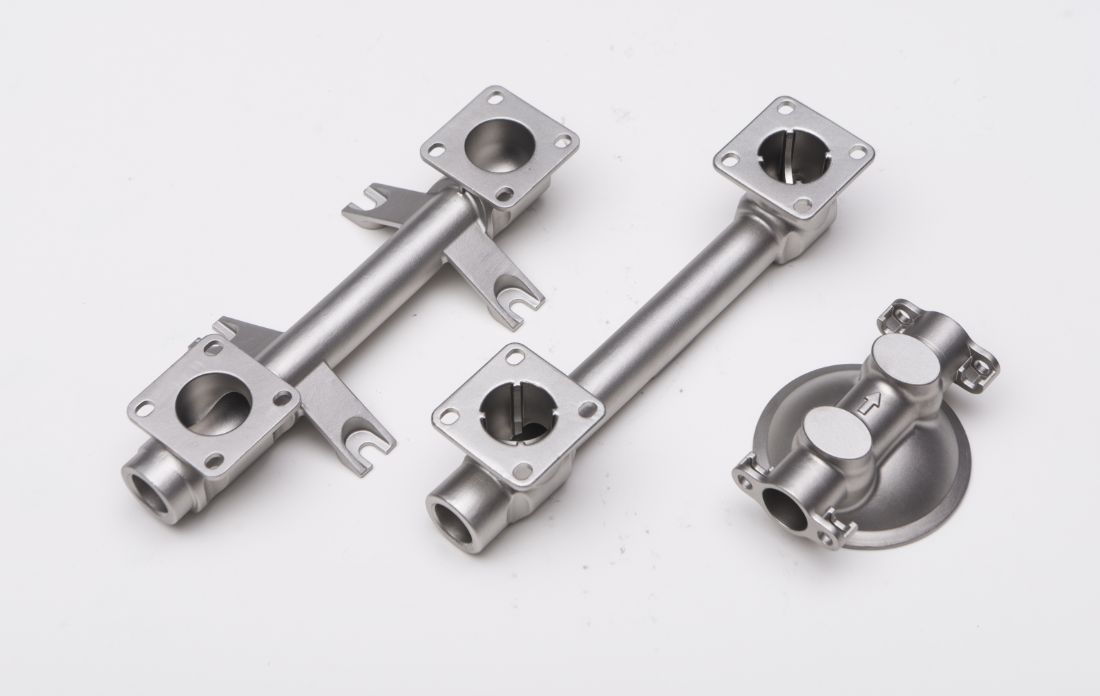
Aluminum casting enhances product layout adaptability by making it possible for complex forms and light-weight frameworks. This strategy permits developers to check out cutting-edge arrangements, leading to flexible applications across various sectors while keeping strength and durability in the last items.
Aluminum casting can be adjusted to various strategies, such as sand spreading or die spreading, which expands its applicability across sectors. When all processes are full, the finished light weight aluminum elements are prepared for various applications, showcasing the versatility and efficiency of light weight aluminum spreading in manufacturing methods. As makers seek better performance and sustainability in production, ingenious developments in light weight aluminum spreading innovation have emerged to meet these needs. Unlike plastic injection molding, which may call for substantial tooling adjustments for design changes, light weight aluminum spreading can accommodate alterations much more conveniently during the manufacturing cycle. Advancements in products science may lead to the growth of lighter, stronger aluminum alloys that can expand the applications of aluminum casting across numerous industries.